
Structural / Steel Structure Elevators in India
Smart Steel. Seamless Vertical Mobility.
Self-supported elevator systems for space-limited, retrofit-ready projects.
Designed for villas, bungalows, low-rise buildings, and occupied retrofits.
Built on engineered steel structures to reduce civil work and simplify installation.
Structural elevators are ideal when a conventional RCC shaft isn’t practical. These systems use a self-supported steel/modular frame with minimal structural disruption, making them well-suited for villas, bungalows, retrofits, and low-rise applications with tight footprints. Expect safe engineering, modern aesthetics, and flexible layouts, delivering reliable vertical mobility without compromising the existing structure.
What is a Structural / Steel Structure Elevator?
A Structural / Steel Structure Elevator is a self-supported lift system built on an engineered steel framework instead of a conventional RCC shaft. It enables faster installation, flexible placement, and minimal civil modification, ideal for retrofit and low-rise projects.
- Self-supported steel frame replaces the need for a full RCC shaft
- Requires minimal civil work, reducing structural disruption
- Flexible placement for indoor or outdoor installations
- Ideal for retrofit, villas, bungalows, and low-rise buildings
- Faster installation compared to conventional elevator systems
- Designed to integrate safely with existing building structures
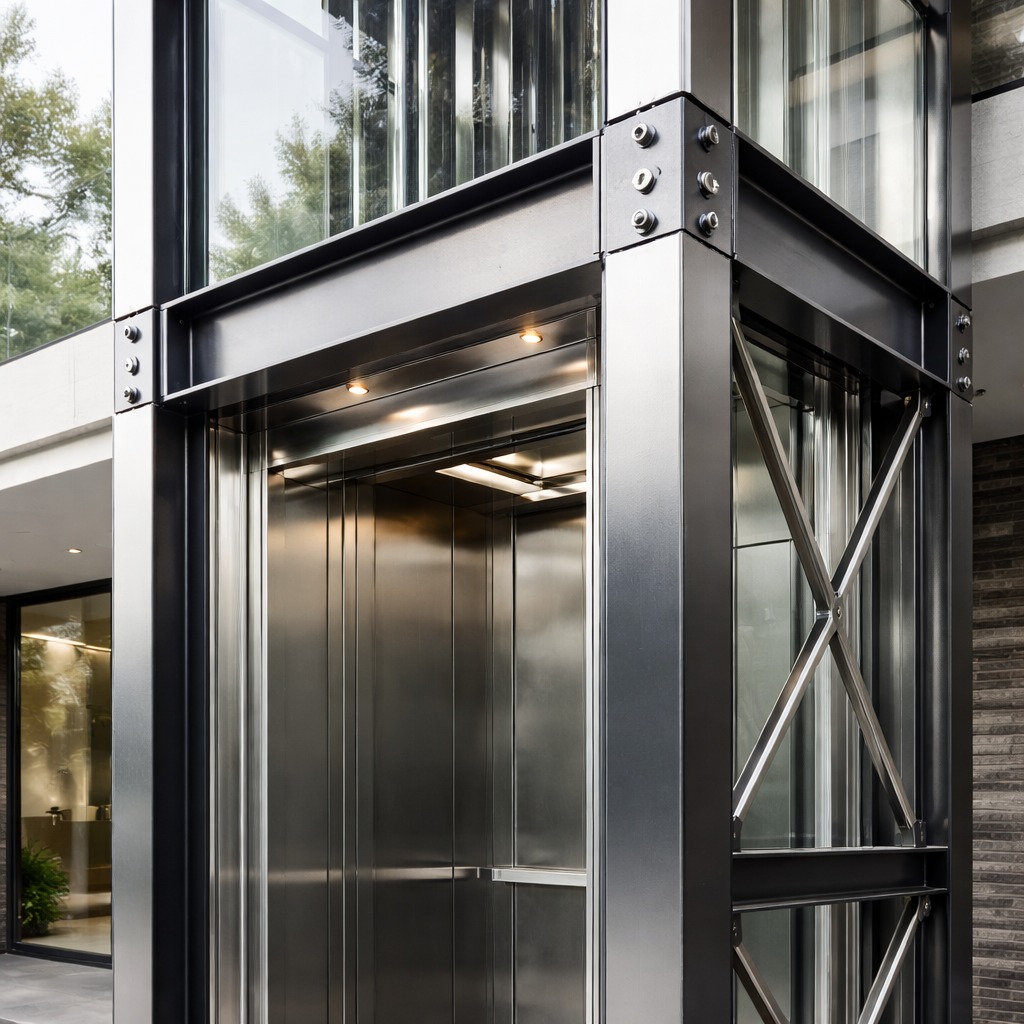
Design & Customization
Structure Options
Modular steel frame configurations tailored to footprint, travel height, and site access. Options for indoor installation or weather-protected outdoor structures with planned maintenance clearance.
Finishes & Cladding
Premium cladding choices including powder-coated steel, stainless steel accents, and glass panels. Designed to complement modern façades and interior architecture with clean detailing
Cabins & Doors
Cabin finishes in stainless steel, laminate, or custom palettes, with refined lighting and fixtures. Door options include automatic sliding doors and glass enclosure choices for open, contemporary aesthetics.
Engineering & Safety Highlights
-
Structural stability designed with project-specific load considerations
-
Quality steel fabrication with controlled tolerances and finishing
-
Robust anchoring and alignment for long-term performance
-
Redundant safety circuits and dependable control architecture
-
Door safety with sensors and interlocks for passenger protection
-
Emergency rescue options and compliance with applicable BIS/ISO standards
Installation Process
-
Site Survey – measurements, feasibility, and placement planning
-
Design Finalization – layout, structure detailing, and technical approvals
-
Fabrication – steel frame and components manufactured to specification
-
Installation – structure erection, lift installation, and system integration
-
Testing & Handover – safety checks, performance verification, and documentation
Where It Fits Best (Use Cases)
- Villas and independent bungalows
- Retrofit in occupied residential buildings
- Low-rise apartments and builder floors
- Clinics, diagnostic centers, and small hospitals
- Showrooms and boutique commercial spaces
- Schools, coaching institutes, and campuses
- Small hotels, guest houses, and serviced residences
- Space-constrained sites with limited shaft feasibility
Key Advantages
- Minimal civil work with reduced structural disruption
- Faster installation timeline versus conventional shaft builds
- Self-supported steel frame engineered to site conditions
- Adaptable layouts for indoor or outdoor placement
- Aesthetic integration with glass/steel enclosure options
- Service access designed for easier maintainability